

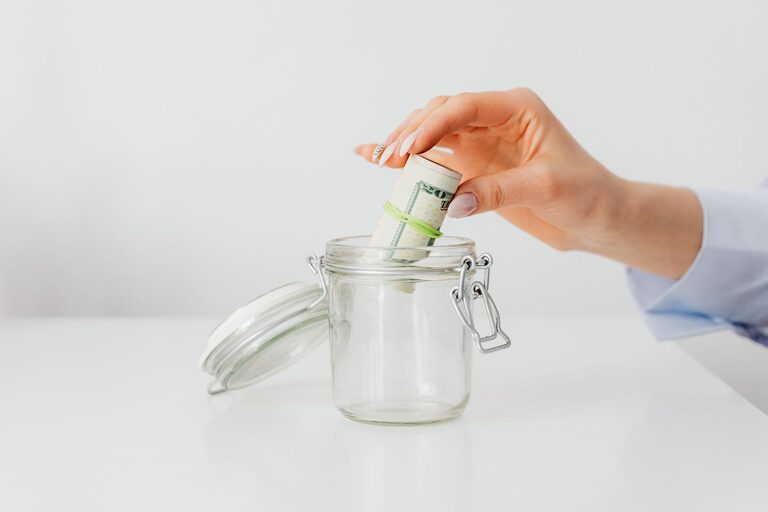
Managing your finances doesn’t have to be overwhelming or complicated. By incorporating a few simple budget habits into your everyday life, you can gain better control over your money, reduce stress, and work toward your financial goals. Whether you’re new to budgeting or looking to improve your money habits, these practical tips can help you build a strong financial foundation.
Why Simple Budget Habits Matter
Budgeting often brings to mind complicated spreadsheets or restrictive lifestyle changes. However, simple, consistent habits are key to making budgeting sustainable and effective. When budgeting becomes part of your daily routine, it stops feeling like a chore and instead becomes a natural part of managing your life.
Start with Tracking Your Spending
One of the most important steps in budgeting is knowing where your money goes. You don’t have to use fancy apps if you don’t want to—just jot down your expenses daily.
How to Track Spending Easily
– Use a notebook or a simple spreadsheet.
– Categorize expenses such as groceries, transportation, dining, entertainment, and bills.
– Review your spending weekly to identify where you can cut back.
This habit helps you become more aware of your financial habits and highlights unnecessary expenses.
Set Realistic Budget Goals
Setting clear goals motivates you to stick to your budget. These goals should be specific, measurable, and achievable.
Examples of Budget Goals
– Save $50 a month for an emergency fund.
– Limit dining out to once a week.
– Reduce monthly entertainment expenses by $20.
By breaking larger financial goals into smaller steps, budgeting becomes less intimidating and more actionable.
Plan Your Spending in Advance
Planning your purchases can prevent impulse buying and help prioritize necessities.
How to Plan Your Spending
– Make a weekly meal plan and grocery list to avoid overspending at the store.
– Set aside a certain amount of cash for discretionary spending each week.
– Schedule bill payments and savings contributions immediately after getting paid.
This advance planning reduces surprises and helps keep your budget on track.
Use Cash or a Separate Account for Daily Expenses
Many people find it easier to control spending when they use cash for everyday purchases.
Benefits of Using Cash
– It limits how much you can spend, preventing overspending.
– Gives a physical sense of money leaving, which can make spending feel more real.
– Helps stick to a set budget for categories like eating out or entertainment.
If carrying cash isn’t convenient, consider setting up a separate bank account or prepaid card with a fixed amount for daily expenses.
Automate Savings and Bill Payments
Automation removes the temptation to skip savings and ensures bills are paid on time.
Automating Money Habits
– Set up automatic transfers to a savings account right after each paycheck.
– Use automatic bill pay for utilities, loans, and subscriptions.
– Review automated payments regularly to avoid paying for unused services.
Automation keeps your budget consistent without extra effort.
Review and Adjust Your Budget Regularly
Your financial situation or priorities may change over time, so it’s important to revisit and adjust your budget as needed.
Tips for Reviewing Your Budget
– Schedule a monthly check-in to track progress.
– Adjust spending limits based on upcoming events or seasonal expenses.
– Celebrate small wins to stay motivated.
Regular reviews help you stay aligned with your goals and prevent frustration.
Practice Mindful Spending
Mindful spending means being intentional with your purchases rather than spending out of habit or emotion.
How to Spend Mindfully
– Pause before making a purchase to consider if it’s necessary.
– Compare prices or look for discounts before buying.
– Focus on experiences or meaningful purchases rather than things.
Mindful spending helps you prioritize what truly matters and avoid buyer’s remorse.
Useful Tools to Support Your Budget Habits
While simple habits are key, certain tools can make budgeting easier and more organized.
Recommended Tools
– A budgeting app like Mint or EveryDollar for tracking expenses.
– A calendar or planner for scheduling bill payments and savings goals.
– Envelopes or jars to allocate cash for different spending categories.
Choose tools that suit your style and keep your budgeting simple, not complicated.
Conclusion
Building simple budget habits doesn’t require drastic changes or complicated systems. By tracking your spending, setting achievable goals, planning in advance, and practicing mindful spending, you can take control of your finances. With consistent effort and small adjustments, budgeting becomes a manageable part of your everyday life, helping you save money and reduce financial stress.
Remember, the key is to start small and be patient with yourself. Over time, these habits will grow into a strong financial routine that supports your needs and goals.